

Welcome back to another post on BioBasics! Today, I’m discussing the issue of access to advanced imaging techniques. For context, while basic technologies like X-rays and ultrasounds can effectively diagnose roughly 80% of illnesses, they are unable to identify more complex conditions, such as neurodegenerative disorders. Conditions such as these require more advanced imaging methods, such as MRI, which are often beyond the scope of what developing countries can afford. As a result, individuals suffering from diseases that are more difficult to detect often remain undiagnosed in regions lacking such advanced technologies, a reality that is unfair yet avoidable.
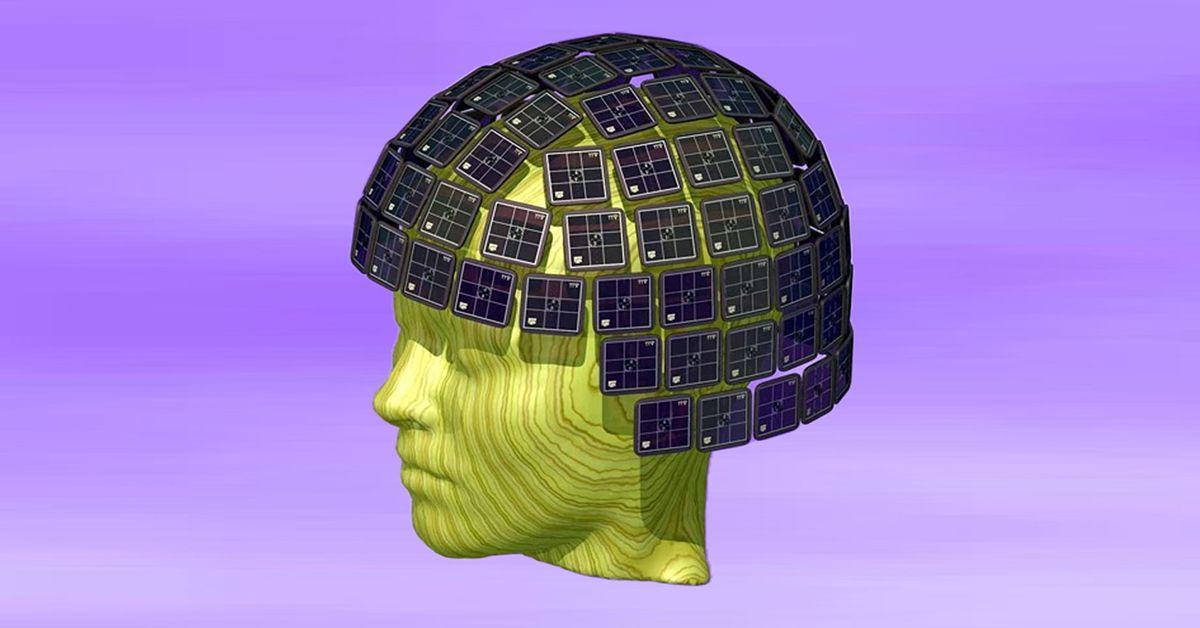
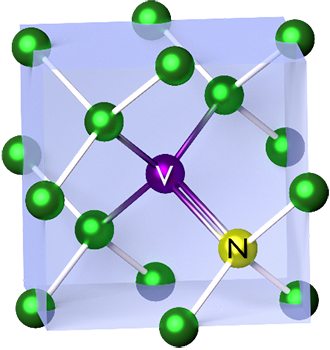
In my internship at NYU’s quantum lab, I explored how novel medical imaging technologies (specifically nitrogen-vacancy centers in diamonds, see image below) present a possible shift towards advanced yet affordable care. Unlike classical systems such as magnetoencephalography (see above), which rely on cryogenic cooling to maintain extremely low temperatures, quantum sensors such as these function efficiently without cooling systems; this dramatically reduces the devices’ size, diminishing significant production costs. These quantum-scale devices also offer improved resolution, capturing much finer details than models employing classical mechanics.
By making cutting-edge imaging technologies accessible in low-resource environments, quantum sensors are the future of global healthcare. By bridging emerging advanced technologies with the developing world, these sensors are more than just a technical advancement; they are a step toward lowering health inequalities and thereby saving countless lives worldwide.
 BioBasics
Leave a comment