
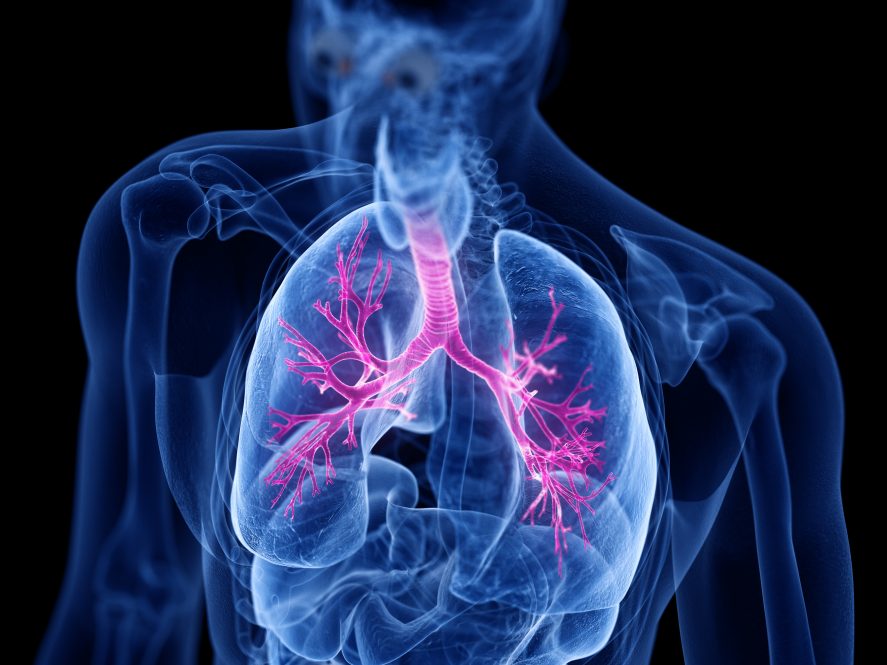
Welcome to the first post of BioBasics! Today I want to break down the genetic and environmental factors that can influence the development of asthma. For some background, asthma is a chronic respiratory condition that affects millions of people worldwide. It can come and go throughout one’s life and is characterized by inflammation and narrowing of the airways, leading to symptoms such as wheezing and shortness of breath. In more severe cases, it can be life-threatening. Nature vs. nurture is highly applicable to asthma as it can be triggered by not only genetic factors, such as a parent passing the gene to their offspring, but also environmental factors, such as smoking and dust. Today I want to discuss the relationship between these genetic and environmental influences, highlighting how they affect individuals with asthma.
Let’s start with the genetic factors that play a crucial role in the development and progression of asthma. Research has identified numerous genes involved in the immune system and inflammatory pathways that can increase susceptibility of developing the disease. It has been seen that oftentimes, asthma is a result of non-mendelian inheritance in the form of epistasis, where interactions between various genes affect phenotypic expression. Family history is a strong indicator of asthma risk, with children of asthmatic parents being significantly more likely to develop the condition themselves. In addition to this, specific genetic mutations can influence the severity of asthma and the response to treatment. Overall, while no single gene is seen to cause asthma, the interaction of these variants contribute to an individual’s overall risk.

What about environmental factors? Medical professionals are often seen to be untrained to examine patients’ environmental history during examinations, despite research suggesting that allergens such as mold, dust, pollen, animals, insects, and certain chemicals significantly exacerbate asthmatic symptoms (Kilpatrick et al., 2002). Your lungs are lined with cells that have cilia—small hairs that constantly beat to keep dust, debris, and allergens such as pollen out. Cigarettes and other forms of smoking have been shown to damage cilia, rendering your lungs’ self-cleaning properties ineffective and allowing dust, debris, and other pollutants to collect in your lungs, overall increasing your risk of lung infection and asthmatic symptoms.
Ultimately, asthma is a complex condition influenced by both genetic factors and environmental exposures. Genetic research has highlighting how interactions between genes can influence the susceptibility and severity of asthma. On the other hand, environmental factors such as allergens and pollutants play a critical role in triggering and exacerbating asthma symptoms, despite often being overlooked in medical examinations. Recognizing that genetic and environmental influences are at play is crucial for effective treatment and prevention in asthma care, emphasizing the need for approaches that consider the intersection between nature and nurture.

 BioBasics
Leave a comment